
Why Does a Tooth Hurt Only When You Bite Down
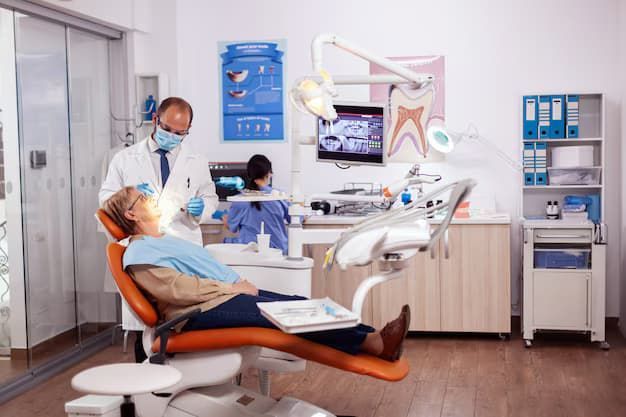
A tooth that hurts only when you bite down can be confusing. You may feel fine when you're sitting still, talking, or drinking, but notice a sharp pain as soon as you put pressure on one particular tooth.
That pattern is worth paying attention to. Pain with biting can have several causes, and the symptom alone cannot tell you exactly what is wrong. A cracked tooth, an issue with an existing filling or crown, inflammation, or a change in the way your teeth meet can all produce discomfort when pressure is applied.
If you're looking for a dentist near Mechanicsville because of this type of pain, noticing when it happens and what triggers it can give your dentist useful information during the examination.
Why Can Biting Trigger Tooth Pain?
Biting puts pressure on the tooth and the structures supporting it. If something has changed within or around the tooth, that pressure may cause discomfort even when the tooth feels normal at other times.
The pain may happen when you first bite down, when you release your bite, or only when chewing certain foods. These differences can help your dentist decide what to examine more closely.
During an appointment, the dentist may look at:
- The tooth and surrounding tissues
- Existing fillings, crowns, or other restorations
- The way your upper and lower teeth come together
- Signs of decay or damage
- The gums around the affected tooth
- X-rays or other diagnostic images when needed
A tooth can appear completely normal when you look at it yourself and still need a closer examination. Some dental problems are not obvious from the visible surface.
Could a Cracked Tooth Cause Pain When Biting?
A crack is one possible reason a tooth hurts under pressure. Depending on its location and extent, a cracked tooth can cause discomfort when chewing. Some people notice the pain with particular foods or when pressure is released from the tooth.
However, pain when biting does not automatically mean the tooth is cracked. Similar symptoms can occur with other dental problems, so it is better not to assume the cause from the symptom alone. Pay attention to the pattern before your appointment.
- Does the pain happen every time you bite?
- Does it occur with hard foods but not softer ones?
- Does the tooth hurt when you release your bite?
Those details may help your dentist understand what you have been experiencing.
Could a Filling or Crown Be Involved?
If the painful tooth has an existing filling or crown, that restoration may also need to be examined. For example, you may notice discomfort after recent dental work or begin experiencing pain around a restoration that has been in place for some time. Your dentist can check the restoration, the tooth underneath it, and the way the tooth contacts the opposing teeth.
A change in your bite can also make one tooth feel different. You might notice that it seems to hit before the others or that chewing on one side feels uncomfortable. That doesn't necessarily mean the restoration needs to be replaced. The dentist needs to identify the source of the discomfort first.
If the pain began after dental treatment, tell your dentist when the treatment took place and what changed afterward.
What If the Tooth Only Hurts Sometimes?
Pain that comes and goes can be easy to ignore, especially when the tooth feels completely normal between episodes. But occasional pain still provides useful information. Some dental problems produce symptoms only under particular conditions. Pressure from chewing may trigger discomfort that isn't present when the mouth is at rest.
Rather than repeatedly testing the tooth to see whether it still hurts, pay attention to the circumstances surrounding the pain.
You might notice that it happens:

These observations won't diagnose the problem, but they can make it easier to describe what you're experiencing.
When Should You Have the Tooth Checked?
You don't have to wait until the pain becomes severe before mentioning it to your dentist. Repeated discomfort when chewing is a reasonable reason to schedule an examination, particularly if the symptom is becoming more frequent or intense.
You should contact your dental office if you also notice:
- Swelling around the tooth or face
- Increasing pain
- Pain that starts without biting or chewing
- Significant sensitivity to hot or cold
- Difficulty chewing normally
- A damaged or loose filling or crown
- Fever or other signs that could indicate infection
Severe swelling or difficulty breathing or swallowing requires urgent medical attention. For other symptoms, your dentist can determine how quickly the tooth needs to be evaluated.
What Will Your Dentist Check?
There isn't one test that explains every case of bite-related tooth pain. Your dentist may examine the tooth directly, check how your teeth meet, look at existing dental work, and use X-rays or other diagnostic methods when appropriate. The purpose is to work out where the discomfort is coming from before deciding what treatment, if any, is needed.
This is why describing the symptom accurately matters. Saying "it hurts when I bite" is a useful starting point, but explaining whether it hurts on the way down, on release, with certain foods, or after recent dental work gives your dentist more information to work with.
At Glenside Dental, we can examine the tooth and discuss what you're noticing rather than trying to draw a conclusion from one symptom alone.
What Can You Do Before Your Appointment?
If biting causes pain, try not to keep testing the tooth throughout the day. Repeatedly putting pressure on it won't tell you what's causing the problem. Instead, make a note of when the discomfort occurs and avoid foods that clearly make chewing uncomfortable until you can have the tooth evaluated.
Continue your usual brushing and cleaning routine unless your dentist has given you different instructions. If the symptoms change, make a note of that too. A tooth that begins with occasional bite-related discomfort and later becomes painful without pressure is giving you different information from one that remains unchanged.
A Richmond Office Close to Mechanicsville
If you live in Mechanicsville or a surrounding community, you can visit our Richmond office when you need a dental evaluation. At Glenside Dental, we welcome patients from Mechanicsville and nearby areas, so you don't have to put off an appointment because of a minor but persistent tooth problem.
If biting down continues to cause discomfort, we're here to examine the tooth, look for the source of the pain, and discuss what we find with you.
Conclusion
A tooth that hurts only when you bite down can have several possible causes. The discomfort may involve the tooth itself, an existing restoration, the way your teeth meet, or the tissues surrounding the tooth. What matters is whether the symptom continues, changes, or starts affecting how you eat.
Rather than trying to determine the cause yourself, have the tooth checked if the pain doesn't settle. A proper examination can help identify what's happening and whether the tooth needs any treatment.