
Dental Visits & Emergencies: What to Do Before Seeing a Dentist
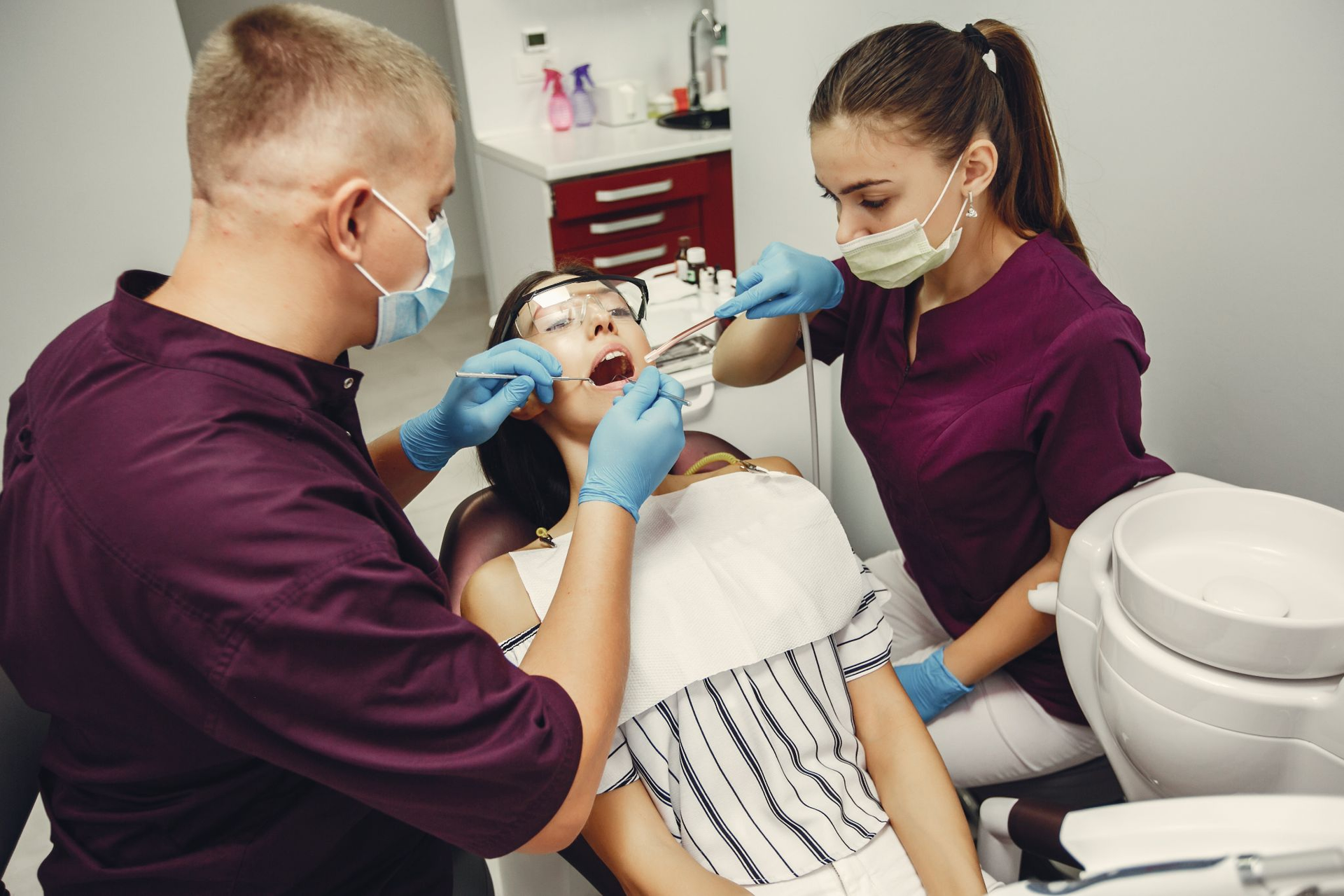
When a dental problem comes up, the first few steps can make a difference. For a severe toothache, rinse your mouth with water, and stay away from foods or drinks that make the pain worse. If a permanent tooth gets knocked out, pick it up by the crown, keep it moist, and get to a dentist quickly.
Swelling, heavy bleeding, a broken tooth or intense pain shouldn't be ignored. These problems may need emergency dental care. Don't put aspirin on your gums or try to repair a damaged tooth at home.
What Should You Do Before Seeing a Dentist for a Dental Emergency?
Start with what you can see and feel. Is there bleeding? Is the tooth loose or broken? Is your face starting to swell? Did the problem happen after an accident?
Once you have an idea of what's going on, contact a dental office and explain the symptoms. Don't try to repair a broken tooth, filling, or crown at home. That can make the area harder to treat.
For a painful tooth, rinse your mouth gently with warm water. A cold compress against the outside of your cheek can help if you have swelling. If you use an over-the-counter pain reliever, follow the directions on the package and make sure it's safe for you to take.
One other thing matters here: don't assume that pain disappearing means the problem is gone. Dental pain can settle down for a while and then return.
What Should You Do if You Have a Severe Toothache?
A severe toothache can make eating and sleeping difficult. If the pain keeps getting worse or doesn't settle it's time to have the tooth checked.
While you're waiting for an appointment, you can:
- Rinse gently with warm water.
- Floss carefully if food may be stuck between your teeth.
- Use a cold compress on the outside of your cheek if there's swelling.
- Eat softer foods and chew away from the painful area.
- Avoid foods or drinks that trigger more pain.
- Take an over-the-counter pain reliever as directed if it's safe for you.
- Keep aspirin and other medication off the tooth and gums.
A bad toothache can come from several problems. Decay is one possibility. So are a cracked tooth, a damaged filling, gum problems, or inflammation inside the tooth. You need an examination to know which one is causing the pain.
How Can You Manage Tooth Pain Until You See a Dentist?
Think of home care as a short-term measure. It can make things more comfortable but it won't fix the reason the tooth hurts.
Keep brushing and flossing, but be gentle around the sore area. Try not to chew on that side of your mouth. Also watch for changes. Facial swelling, fever, drainage, or a bad taste in your mouth can point to a problem that needs attention.
If swelling starts making it difficult to breathe or swallow, don't wait for a dental appointment. Get emergency medical help.
What Should You Do if Your Tooth Gets Knocked Out?
A knocked-out permanent tooth needs attention quickly. If you find the tooth, pick it up by the crown, the part that normally sits above the gum. Don't grab it by the root.
Is it dirty? Gently rinse it with clean water. Don't scrub it, scrape the root, or remove tissue that is still attached.
If you can safely place the tooth back into its socket, you may do so. Don't force it. If that isn't possible, keep the tooth moist and get dental help as soon as you can.
Time matters with a knocked-out tooth. The amount of time it stays outside the mouth and how it's stored can affect what treatment is possible.
What Should You Do With a Knocked-Out Tooth Before Seeing a Dentist?
There are four things to remember: hold the tooth by the crown, keep it moist, leave the root alone, and get professional help quickly.
Don't leave the tooth wrapped in a dry tissue. Don't clean it with soap, disinfectant, or anything else from the household cupboard. Water is enough if the tooth needs a gentle rinse.
A baby tooth is different. If a baby tooth gets knocked out, don't put it back into the socket yourself. A dentist should check the injury and decide what needs to happen next.
When Is a Dental Problem Considered a Dental Emergency?
Not every toothache needs same-day treatment. A little sensitivity after an ice-cold drink, for example, isn't automatically an emergency.
The situation changes when there's severe pain, significant bleeding, swelling, trauma, or a risk of losing a permanent tooth. These are some problems that may require emergency dental care-
- Severe or ongoing tooth pain
- A knocked-out permanent tooth
- A badly broken or cracked tooth
- Significant bleeding from the mouth
- Swelling around the tooth, gums, face, or jaw
- Signs of infection
- A permanent tooth that becomes loose after an injury
- Dental damage caused by an accident
- Symptoms that are getting worse
If you're unsure, call a dental office and explain what's happening. A quick conversation can help you figure out how soon you need to be seen.
What Should You Expect During an Emergency Dental Visit?
An urgent dental visit usually starts with questions. When did the pain begin? Did something happen to the tooth? Has the swelling changed? The dentist may also ask about your medical and dental history.
Then the affected tooth and nearby tissues are examined. X-rays may be taken if the dentist needs to see what's happening below the surface.
Dental treatment depends on what caused the problem. A damaged tooth might need a filling or crown. Another case may call for root canal treatment or an extraction. If an injury has loosened a tooth, the dentist may need to stabilize it.
The first visit may focus on getting the immediate problem under control. Further treatment can be arranged afterward if needed.
If you're a new patient, bring a list of medications you take and mention any allergies or relevant medical conditions. If an accident caused the injury, tell the dental team what happened and when it happened. Those details can matter.
Where Can You Get Emergency Dental Care in Richmond, VA?
If you're in Richmond and suddenly develop severe tooth pain, swelling, dental trauma, or another urgent problem, contact a dental office and explain what's going on. You don't need to figure out the diagnosis yourself.
There is one important exception. If facial or neck swelling is spreading quickly, or you're having trouble breathing or swallowing, seek emergency medical attention right away. A dental appointment shouldn't delay medical treatment in that situation.
When looking for emergency dental care, ask whether the office handles urgent dental problems and whether the practice can provide the treatment that may be needed after an examination.
At Glenside Dental, we provide general, restorative, cosmetic, and emergency dental services. Services include cleanings, fillings, crowns, root canals, tooth extractions, Invisalign, periodontal care, and dental exams.
You may contact us at 5412 Glenside Drive, Suite C, Richmond, VA 23228. The phone number is 804-756-6658. We service different locations: Lakeside, Laurel, Mechanicsville, and Tuckahoe.
FAQs
What should I do if I have a severe toothache?
Rinse your mouth gently with warm water and keep the area clean. Avoid foods that make the pain worse and contact a dentist for an examination. An over-the-counter pain reliever may help temporarily if it's safe for you to take.
What should I do if my tooth gets knocked out?
Pick up the tooth by the crown, not the root. Rinse it gently if needed, keep it moist, and seek dental care as quickly as possible. A dentist can advise you about placing the tooth back into the socket.
Should I go to the emergency room or see a dentist?
A dentist can usually handle severe tooth pain, a knocked-out tooth, a broken tooth, and other dental injuries. Trouble breathing or swallowing, rapidly increasing facial or neck swelling, severe facial trauma, or uncontrolled bleeding may require immediate medical attention.
How quickly should I see a dentist for a dental emergency?
That depends on the problem. A knocked-out permanent tooth or serious dental injury should be checked as soon as possible. Severe pain, swelling, bleeding, or signs of infection also shouldn't be left untreated.
What should I bring to an emergency dental appointment?
Bring information about your medications, allergies, medical history, and when the problem started. If a tooth was knocked out, bring the tooth with you and keep it moist while traveling to the dental office.
Can a dentist treat a broken or cracked tooth during an emergency visit?
A dentist can examine the tooth and decide whether it can be repaired. Treatment may involve a filling, crown, root canal treatment, or extraction, depending on how badly the tooth is damaged.
What dental services does Glenside Dental offer?
The practice provides general, restorative, cosmetic, and emergency dental services. These include cleanings, fillings, crowns, root canals, tooth extractions, Invisalign, periodontal care, and dental exams.
What should I expect during my first dental visit?
The first visit usually includes a review of your medical and dental history, an oral examination, and digital X-rays when needed. The dentist can then explain what was found and discuss the care you may need.