
When Tooth Pain Spreads to Your Jaw or Face: Where Should You Actually Go First?
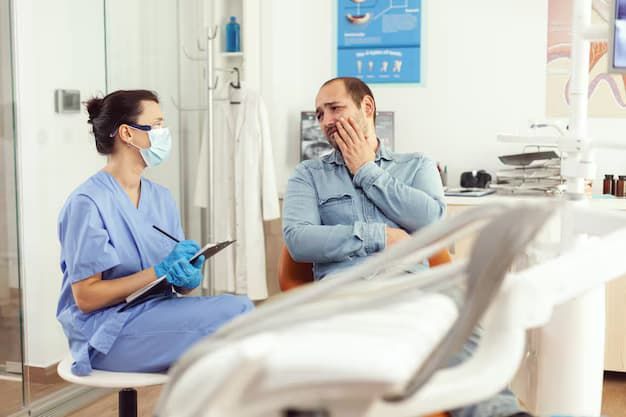
Tooth pain that starts in one spot and then spreads to your jaw, cheek, ear, or face is hard to ignore. The real question is what that pain is actually trying to tell you. Some dental problems just need prompt attention, but things like facial swelling, trouble breathing, or difficulty swallowing can mean you need emergency medical care instead.
Knowing where to go first can save you time, help you get the right treatment sooner, and keep a manageable problem from turning into something bigger or more serious.
Why Does Tooth Pain Spread in the First Place?
A tooth isn't really an isolated thing. Its nerves connect to pathways that also carry sensation from parts of your jaw and face. Because of that shared nerve network, pain from an infected or irritated tooth can sometimes show up somewhere else entirely.
A deep cavity, a crack, a damaged filling, or inflammation can all cause serious pain. An untreated infection can also spread to the tissue around the tooth and cause swelling. So if pain starts moving into your jaw or face, emergency dental care may be needed rather than assuming it's just a regular toothache.
When a Dentist Should Be Your First Stop
If tooth pain is your main symptom, your dentist is usually the right place to start, especially with pain while chewing, lingering sensitivity to hot or cold, a broken tooth, swollen gums, or drainage.
Emergency dental care is for problems that need to be looked at right away, not on your next routine visit. Treatment might mean addressing an infection, fixing a damaged tooth, draining an abscess, or prescribing medication when it's needed.
At Glenside Dental, we know pain never shows up at a convenient time. Our goal is to help you figure out what's likely going on and how quickly you actually need to be seen.
Signs You Shouldn't Wait On
Some symptoms call for faster emergency dental care than others. Reach out to a dentist right away if the pain is severe, getting worse, waking you up at night, or coming with swelling. The same goes for trouble chewing, a loose or fractured tooth, or symptoms that keep coming back.
Prompt dental care matters even more when an infection might be involved. A dental abscess can cause swelling, tenderness, fever, or a bad taste that just won't go away. Infections generally don't fix themselves just because the pain eases up for a bit, the actual source still needs to be found and treated.
When You Should Go to the ER Instead
A hospital emergency room might actually be the better first stop if your symptoms suggest the problem has gone beyond a typical dental issue, or could be putting your overall health at risk. Get emergency medical help right away if you're having trouble breathing or swallowing, your face or neck swelling is getting worse fast, swelling near your eye is affecting your vision, or you're feeling faint, confused, or otherwise seriously unwell.
These are signs that swelling or infection might be spreading somewhere it could interfere with breathing or become more dangerous. In situations like that, emergency dental care alone isn't enough—a hospital can give you immediate medical support while dental care gets arranged separately.
What to Do While You Wait
Until you can get emergency dental care, avoid chewing on the painful side and stick to softer foods. A warm salt water rinse can feel soothing, and keep brushing carefully around the sore area. A cold compress against the outside of your cheek can also help with pain or swelling.
Don't put aspirin directly on your gums or tooth, it can actually irritate the tissue. And don't try to drain any swelling yourself. If it's safe for you to take over-the-counter pain medicine, follow the directions on the label and don't go over the recommended dose.
It also helps to note when the pain started, what makes it worse, whether it's spreading, and whether you've noticed any swelling or fever. Those details make it a lot easier to figure out what's going on quickly.
Why Getting Care Quickly Actually Matters
Delaying treatment gives decay, cracks, or infection more time to get worse. A problem that could've been a simple fix early on can turn into something much more involved if it's left alone. Getting emergency dental care promptly doesn't always mean major treatment, it just means the problem gets looked at when it actually needs to be.
At Glenside Dental, we'd much rather check something out early than have you sit around waiting. We encourage patients to describe exactly what they're feeling, even if it seems minor or hard to put into words.
Conclusion
When tooth pain spreads into your jaw or face, start by looking at what other symptoms you're dealing with alongside the pain. If it seems dental in nature, emergency dental care from a dentist is usually the right first move. But if you're having trouble breathing or swallowing, your facial or neck swelling is getting worse fast, or you're noticing other serious symptoms, head to the emergency room instead.
Where you go really depends on how severe things are and what's actually causing them. Getting prompt treatment can help identify the problem, ease the pain, and lower the odds that something treatable turns into a much bigger health issue.