
What Happens If You Delay Dental Treatment? Real-World Scenarios We See in Richmond
This is a subtitle for your new post
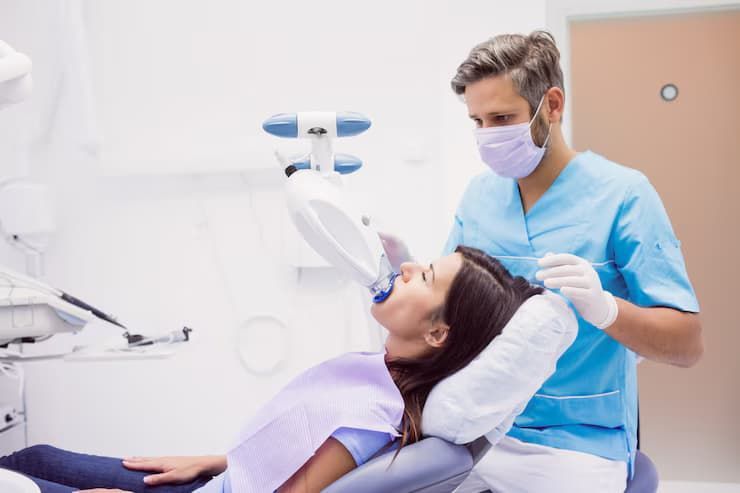
Most people don’t delay dental treatment because they don’t care. They delay because life gets busy, budgets feel tight, or fear gets in the way. If a tooth only hurts a little, or not at all, it’s easy to think it can wait. Unfortunately, this is how small dental problems often turn into situations that require emergency dental care.
We see this pattern often in our office. What starts as a minor issue can quietly grow until it becomes painful, stressful, and urgent. Understanding what really happens when treatment is delayed can help you avoid discomfort and unexpected dental emergencies.
At Glenside Dental, our goal is not to scare patients, but to help them make informed decisions before problems reach the point of emergency dental care.
Why People Put Off Dental Treatment
Most delays happen for very real reasons. Patients often tell us they are dealing with:
- Busy work and family schedules
- Worries about cost
- Dental anxiety or past bad experiences
- No pain, so it doesn’t feel urgent
These concerns are understandable. However, teeth and gums don’t pause their damage just because treatment is postponed. Many patients who delay eventually need emergency dental care, even though they were trying to avoid bigger problems.
When A Small Cavity Turns Into A Root Canal
A cavity usually begins as a tiny area of decay. At first, it may not hurt at all. Over time, bacteria continue to break down the tooth until the decay reaches the nerve.
At that point, pain often becomes severe and sudden. What could have been treated with a simple filling may now require a root canal or emergency dental care to control infection and pain. Acting early often means simpler, faster, and less stressful treatment.
How A Crack Can Lead To Tooth Extraction
Cracked teeth are another issue that worsens with delay. Small cracks may cause mild discomfort or no symptoms at all. But every day, chewing can make the crack spread deeper into the tooth.
Once bacteria enter the crack, infection becomes more likely. In advanced cases, the tooth may not be saveable, and extraction becomes the only option. Many patients first seek emergency dental care when the pain suddenly becomes intense, even though the damage started much earlier.
Gum Inflammation Can Lead To Bone Loss
Gum disease often progresses quietly. Early inflammation may cause slight bleeding during brushing, which many people ignore. Without treatment, gum disease can damage the bone that supports your teeth.
Bone loss happens slowly and without pain, but it can lead to loose teeth and tooth loss over time. At advanced stages, patients may require emergency dental care due to infection, swelling, or sudden tooth movement. Early gum treatment is far easier and more comfortable than dealing with advanced disease.
The Cost Of Waiting Is Often Higher
Many patients delay treatment because they worry about cost. Ironically, waiting often makes care more expensive. A small filling costs far less than a root canal and crown. Treating early gum disease is simpler than managing advanced bone loss.
When problems become urgent, emergency dental care may involve more complex procedures, additional visits, and longer recovery times. Addressing issues early is one of the best ways to protect both your health and your budget.
Pain Is Usually The Last Warning Sign
Pain often appears only after damage has progressed. By the time you feel severe discomfort, infection, or nerve involvement may already be present. This is why relying on pain alone can be misleading.
Routine exams help catch issues before they reach the stage of emergency dental care. Early treatment usually means less pain, fewer appointments, and better long-term outcomes.
How Early Care Helps You Avoid Emergencies
Seeing your dentist regularly allows small problems to be managed before they escalate. Early care can:
- Prevent infections
- Reduce treatment time
- Lower overall costs
- Help you avoid urgent visits
Most dental emergencies are not sudden accidents; they are delayed problems that finally reach a breaking point.
Reducing Anxiety Through Planned Care
Dental anxiety is a common reason people delay treatment. Unfortunately, emergencies tend to increase stress rather than reduce it. Planned care allows time for discussion, comfort measures, and clear expectations.
Many patients who once avoided the dentist feel relieved when they realize early treatment helps them avoid painful emergency dental care later.
Choosing Prevention Over Urgency
Delaying dental treatment often feels like the easier option, but it usually leads to more discomfort and stress down the road. Small cavities grow, cracks worsen, and gum problems spread quietly.
By addressing issues early, you protect your smile and reduce the chance of needing emergency dental care. Our approach is simple: help patients understand what is happening and support them in taking action before problems become urgent.
If something has been on your mind but you’ve been putting it off, now may be the right time to take care of it, before it turns into an emergency you didn’t plan for.