
Urgent Care vs Emergency Dental Service: Where Most Patients Go Wrong in a Dental Crisis
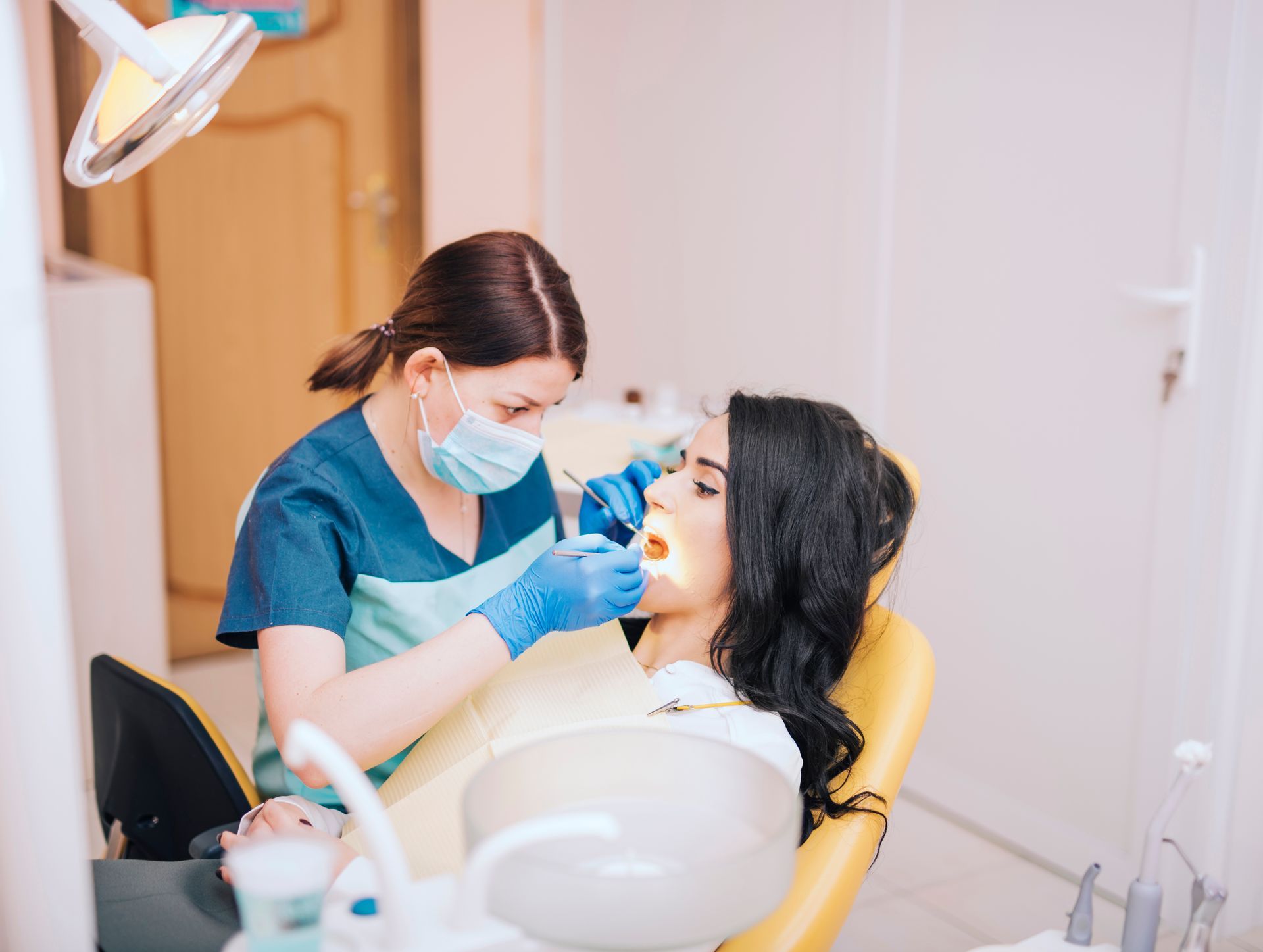
When a dental emergency strikes, most people don’t pause to think; they react. Pain, bleeding, or trauma can make anyone rush to the nearest urgent care center.
While that instinct is understandable, it often leads to delayed treatment and unnecessary complications. Knowing the difference between urgent care and an emergency dental service can make a critical difference in saving a tooth, reducing pain quickly, and avoiding long-term damage.
Understanding the Key Difference
Urgent care centers are designed to handle general medical issues such as minor injuries, infections, or illnesses. They are helpful when you cannot reach your primary doctor, but they are not equipped for specialized dental procedures. In contrast, emergency dental care focuses specifically on oral health crises, offering the tools, expertise, and immediate care needed for dental conditions.
This distinction matters because dental problems often require precise interventions like root canal therapy, tooth stabilization, or abscess drainage, procedures that urgent care providers typically cannot perform.
Why Patients Choose Urgent Care First
Many patients head to urgent care during a dental crisis for three common reasons: accessibility, familiarity, and lack of awareness. Urgent care clinics are often open late, easy to find, and widely trusted for quick treatment.
However, what they usually provide is temporary relief, such as prescribing antibiotics or pain medication, without addressing the root cause. This can give a false sense of resolution while the underlying issue worsens. An emergency dental service, on the other hand, aims to diagnose and treat the problem immediately, not just manage symptoms.
Common Dental Emergencies That Need Specialized Care
Some dental problems should never be handled outside a dental setting. These include:
- Severe toothache caused by infection or decay
- Knocked-out or dislodged teeth due to trauma
- Broken or cracked teeth exposing nerves
- Swelling in the gums or jaw indicates an abscess
- Uncontrolled bleeding after dental work or injury
Each of these situations requires the attention of emergency dental care, where trained professionals can act quickly and appropriately to preserve oral health.
The Risk of Delayed Treatment
One of the biggest mistakes patients make is delaying proper dental care after visiting urgent care. While medications may reduce symptoms temporarily, the actual condition can worsen beneath the surface.
For example, a dental abscess is not just painful; it can spread infection to other parts of the body if left untreated. Similarly, a knocked-out tooth has a limited window for successful reattachment, often within an hour. Choosing an emergency dental service right away significantly improves the chances of a successful outcome.
What Emergency Dental Services Offer That Urgent Care Cannot
Emergency dental care provides specialized treatments that urgent care simply cannot match. These include:
- Digital dental imaging for accurate diagnosis
- Immediate restorative procedures like fillings or crowns
- Root canal therapy to remove infection
- Tooth reimplantation and stabilization
- Emergency extractions when necessary
These services are designed to solve the problem at its source, not just mask the pain. At Glenside Dental, we focus on delivering targeted care that addresses both immediate discomfort and long-term oral health.
When Urgent Care May Still Be Appropriate
There are rare cases where urgent care may play a role. For instance, if a dental issue is accompanied by high fever, severe swelling affecting breathing, or signs of systemic infection, urgent care or even an emergency room visit may be necessary for stabilization.
Even then, follow-up with an emergency dental service is essential to fully resolve the dental issue. Urgent care should never be seen as a replacement for dental expertise.
How to Respond During a Dental Emergency
Acting quickly and correctly can make all the difference. Here are a few practical steps to follow:
- For a knocked-out tooth, keep it moist and try to place it back in the socket if possible
- Rinse your mouth gently with warm water to clean the area
- Apply a cold compress to reduce swelling
- Avoid chewing on the affected side
- Contact an emergency dental care provider immediately
At Glenside Dental, we guide patients through these critical first steps and ensure they receive prompt care when it matters most.
The Importance of Preparation
Dental emergencies are unpredictable, but preparation can reduce panic and improve outcomes. Keep the contact details of a reliable emergency dental service saved in your phone. Knowing where to go ahead of time eliminates hesitation and helps you act quickly.
We also recommend regular dental check-ups, as many emergencies stem from untreated issues that could have been prevented. At Glenside Dental, we emphasize proactive care to minimize the likelihood of urgent situations.
Building Trust Through Expertise
Choosing the right provider during a dental crisis is about more than convenience; it’s about trust. An experienced emergency dental care provider combines clinical skill with the ability to act decisively under pressure.
Patients benefit from accurate diagnosis, effective treatment, and clear communication during stressful situations. This level of care not only resolves the immediate issue but also reassures patients that they are in capable hands.
Avoiding the Most Common Mistake
The most frequent error patients make is assuming all urgent healthcare facilities can treat dental problems equally. This misunderstanding leads to delays, additional costs, and sometimes irreversible damage.
By going directly to an emergency dental service, patients receive the right care at the right time. It’s a simple decision that can prevent complications and protect long-term oral health.
Conclusion
Dental emergencies demand quick thinking and informed decisions. While urgent care centers serve an important role in general healthcare, they are not equipped to handle most dental crises effectively.
Choosing an emergency dental service ensures that the problem is treated at its source, reducing pain, preventing complications, and saving time. Understanding where to go and acting without delay, can make all the difference when every minute counts.