
The Hidden Cost of Waiting Too Long to Get a Bridge for Missing Teeth
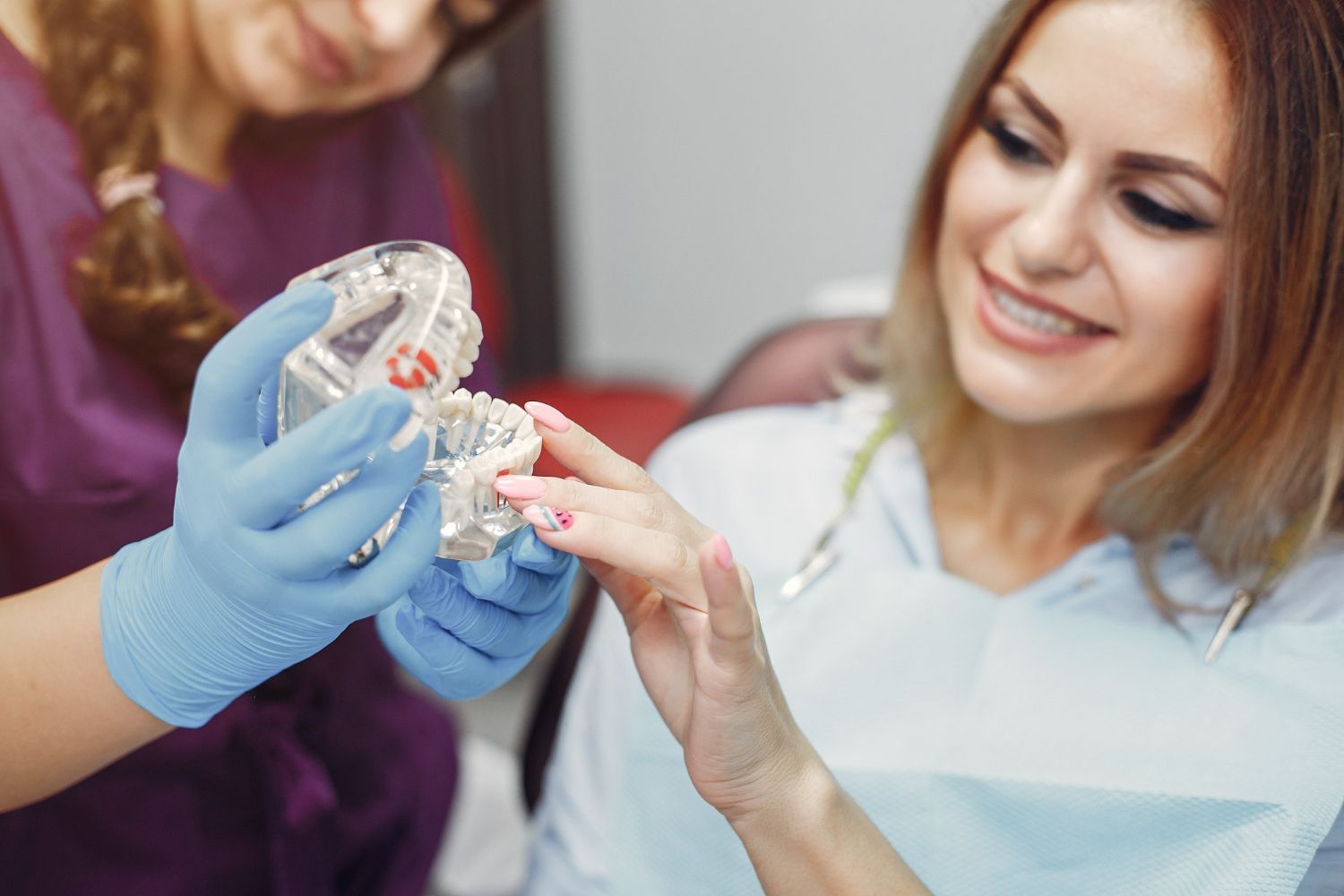
Have you noticed how even a single missing tooth can affect more than just your smile? It can make chewing uncomfortable, change the way you speak, lower your confidence, and place extra stress on surrounding teeth. Many people ignore the gap at first because it does not seem urgent. Over time, however, that space can lead to shifting teeth, jaw strain, and bite problems that become harder to correct.
A bridge for teeth is one of the most effective ways to restore both function and appearance. Filling the missing space, it helps maintain proper alignment, supports everyday comfort, and protects long-term oral health.
Why Missing Teeth Should Never Be Ignored
When a tooth is lost, nearby teeth slowly begin moving toward the space. This movement can affect bite balance and create areas that are harder to clean. Food may become trapped more easily, increasing the risk of gum irritation and decay.
A missing tooth also changes how pressure is distributed while chewing. Some teeth end up doing more work than others, which may lead to wear or sensitivity. Many patients are surprised to learn how quickly these changes begin after tooth loss.
A properly fitted bridge for teeth helps stabilize the surrounding teeth while restoring normal chewing function. It can also improve speech clarity when front teeth are involved.
Signs It May Be Time to Replace a Missing Tooth
Not every patient notices discomfort right away. In many cases, the early signs are subtle and easy to dismiss.
Common signs include:
- Difficulty chewing on one side
- Food is getting stuck near the gap
- Shifting teeth
- Changes in bite alignment
- Jaw soreness after meals
- Feeling self-conscious while smiling
Ignoring these signs can allow the problem to become more complicated over time. Replacing missing teeth early often prevents additional dental concerns later.
How a Dental Bridge Works
A bridge for teeth replaces one or more missing teeth by anchoring an artificial tooth between healthy neighboring teeth or implants. The replacement tooth is designed to match the shape and shade of natural teeth for a seamless appearance.
Dental bridges are custom-made for each patient. The process usually involves:
- Examining the health of the surrounding teeth and gums
- Preparing supporting teeth if needed
- Taking digital or physical impressions
- Placing a temporary restoration
- Securing the final bridge for long-term use
Most patients adjust quickly once the bridge is in place. Eating and speaking often feel more natural again within a short period.
The Everyday Benefits Patients Notice First
Many dental treatments offer long-term health advantages, but patients usually notice the day-to-day improvements first.
A bridge for teeth can help:
- Restore a complete smile
- Improve chewing comfort
- Prevent nearby teeth from shifting
- Support clearer speech
- Maintain facial balance
- Reduce uneven bite pressure
People often feel more comfortable smiling in photos, speaking in meetings, or eating certain foods again after treatment.
Different Types of Dental Bridges
Not every case requires the same approach. Dentists recommend different bridge designs depending on tooth location, oral health, and the number of missing teeth.
Traditional Bridges
These are supported by crowns placed on neighboring teeth. They are commonly used when healthy teeth exist on both sides of the gap.
Cantilever Bridges
This option is used when support is available on only one side of the missing tooth.
Maryland Bridges
Often used for front teeth, these rely on a metal or porcelain framework bonded behind nearby teeth.
Implant-Supported Bridges
Instead of relying on natural teeth, this type is anchored with dental implants for additional stability.
The right treatment depends on each patient’s needs, bite condition, and overall oral health.
What Patients Often Ask Before Treatment
Many people considering a bridge for teeth have similar concerns before starting treatment.
Will it look natural?
Modern dental materials are designed to blend closely with natural teeth. Shade matching helps create a balanced appearance.
Is the procedure painful?
Most patients experience little discomfort during treatment. Local anesthesia is used when preparing supporting teeth.
How long does a bridge last?
With proper care, many dental bridges last 10 years or longer. Good oral hygiene and regular checkups play a major role in longevity.
Can I eat normally afterward?
Yes. Once adjusted, patients can typically return to eating most foods comfortably.
The Importance of Daily Care
Like natural teeth, bridges require consistent care to stay in good condition.
A bridge for teeth should be cleaned carefully around the gumline and beneath the artificial tooth. Special flossing tools or water flossers may help remove trapped debris.
Helpful habits include:
- Brushing twice daily
- Flossing carefully around the bridge
- Scheduling routine dental cleanings
- Avoiding chewing hard objects like ice
- Addressing grinding habits if present
Regular exams allow dentists to monitor the supporting teeth and ensure the bridge continues functioning properly.
When Delaying Treatment Creates Bigger Problems
Many people wait months or even years before replacing a missing tooth. During that time, nearby teeth can drift out of position, which may complicate future treatment.
Bone loss in the jaw may also occur after tooth loss. This can affect facial structure and limit future restorative options.
At Glenside Dental, patients often ask whether postponing treatment really matters. In many cases, early intervention helps preserve healthier tooth alignment and reduces the likelihood of more extensive procedures later.
Choosing a bridge for teeth sooner rather than later can often simplify treatment and improve long-term comfort.
How Modern Dentistry Improves the Experience
Dental technology has made restorative treatment more precise and comfortable than in the past. Digital imaging, improved materials, and customized restorations help create a more natural fit.
Many patients appreciate that treatment plans today focus not only on restoring teeth but also on preserving overall oral function and appearance.
At Glenside Dental, careful evaluations help determine whether a bridge is the most effective solution based on bite alignment, gum health, and long-term goals.
A well-designed bridge for teeth should feel stable, natural, and comfortable enough to support everyday life without constant adjustment.
Confidence Often Returns Faster Than Expected
Tooth loss affects more than physical comfort. It can also influence how people interact socially or professionally.
Some individuals avoid smiling, speaking openly, or eating comfortably in public after losing a tooth. Replacing that missing space often improves confidence sooner than expected.
At Glenside Dental, many patients mention that the emotional relief after restoring their smile feels just as important as the physical benefits.
A carefully placed bridge for teeth can restore both appearance and peace of mind in a way that feels natural and lasting.
Conclusion
Missing teeth can gradually affect oral health, comfort, and confidence in ways that are easy to underestimate. What begins as a small gap may eventually lead to shifting teeth, bite problems, and additional dental concerns.
A dental bridge offers a reliable solution that restores appearance, chewing ability, and overall stability. Addressing tooth loss early often helps prevent more complicated problems later while improving daily quality of life.
For patients looking for a practical and natural-looking restoration, a bridge for teeth remains one of the most trusted options in modern dentistry.